

Neck, Shoulder Tension & Tech Neck Treatment in Bondi Junction
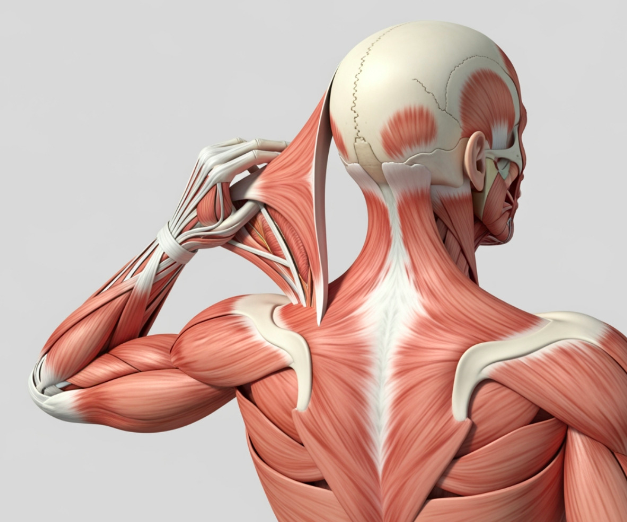
Neck and shoulder tension can affect your ability to work, exercise, sleep and move comfortably throughout the day.
Whether you're experiencing tightness from prolonged desk work, muscular discomfort or stiffness associated with using your phone, persistent neck tension can become frustrating and difficult to manage.

At Medicinal Collective in Bondi Junction, our collective of independent practitioners offers a range of therapeutic approaches to support neck and shoulder health.
From deep tissue massage and myofascial release to chiropractic care and acupuncture, our practitioners bring different techniques and perspectives to help you find an approach suited to your individual needs.
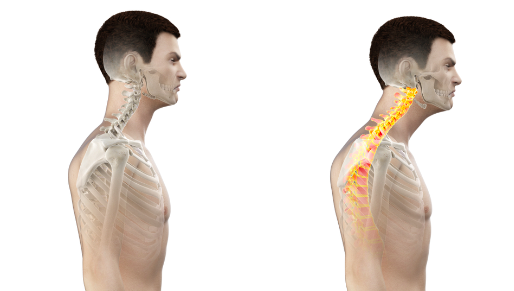
What is Tech Neck?
Tech neck is a commonly used term for neck discomfort associated with prolonged use of phones, computers and other digital devices.
When using a device, we often hold our head in a forward or downward position for extended periods. This can increase the demands placed on the muscles that support the head and neck, particularly when combined with limited movement or inadequate recovery between periods of activity.
However, neck pain is not simply a result of poor posture. Research suggests that symptoms are influenced by a combination of physical demands, muscular endurance, stress, sleep, activity levels and individual pain sensitivity.
The goal is not to maintain one perfect posture all day, but to develop comfortable movement, muscular capacity and habits that work for your body.
How Does Prolonged Screen Use Contribute to Tension?
When the head is held forward or the neck remains bent for long periods, the muscles supporting the head and neck must sustain activity.
Over time, this can increase muscular demand and contribute to discomfort, particularly when the same position is maintained without regular movement or breaks.
The cervical spine also contains joints, ligaments, nerves and other structures that contribute to movement and sensation. Neck pain can arise from several different sources, and the experience of pain does not necessarily mean that tissues have been damaged.
Research on forward head posture and neck pain shows an association in some populations, but posture alone does not establish the cause of an individual's symptoms.
A combination of movement, exercise, appropriate manual therapy and practical changes to daily habits may help manage neck pain and improve function.
The Connection Between Neck Tension & Jaw Pain
The jaw, neck and shoulder muscles work together during everyday activities such as chewing, speaking and moving the head.
The jaw joint and the upper cervical spine also share connections within the nervous system, including pathways involved in processing pain and sensation.
This helps explain why some people experience jaw discomfort alongside neck pain, headaches or muscular tension around the shoulders.
However, neck tension does not necessarily cause jaw pain, and jaw discomfort may have several contributing factors, including muscular, dental and joint-related conditions.
Where appropriate, treatment may consider both the jaw and surrounding neck and shoulder structures rather than focusing on one area in isolation.
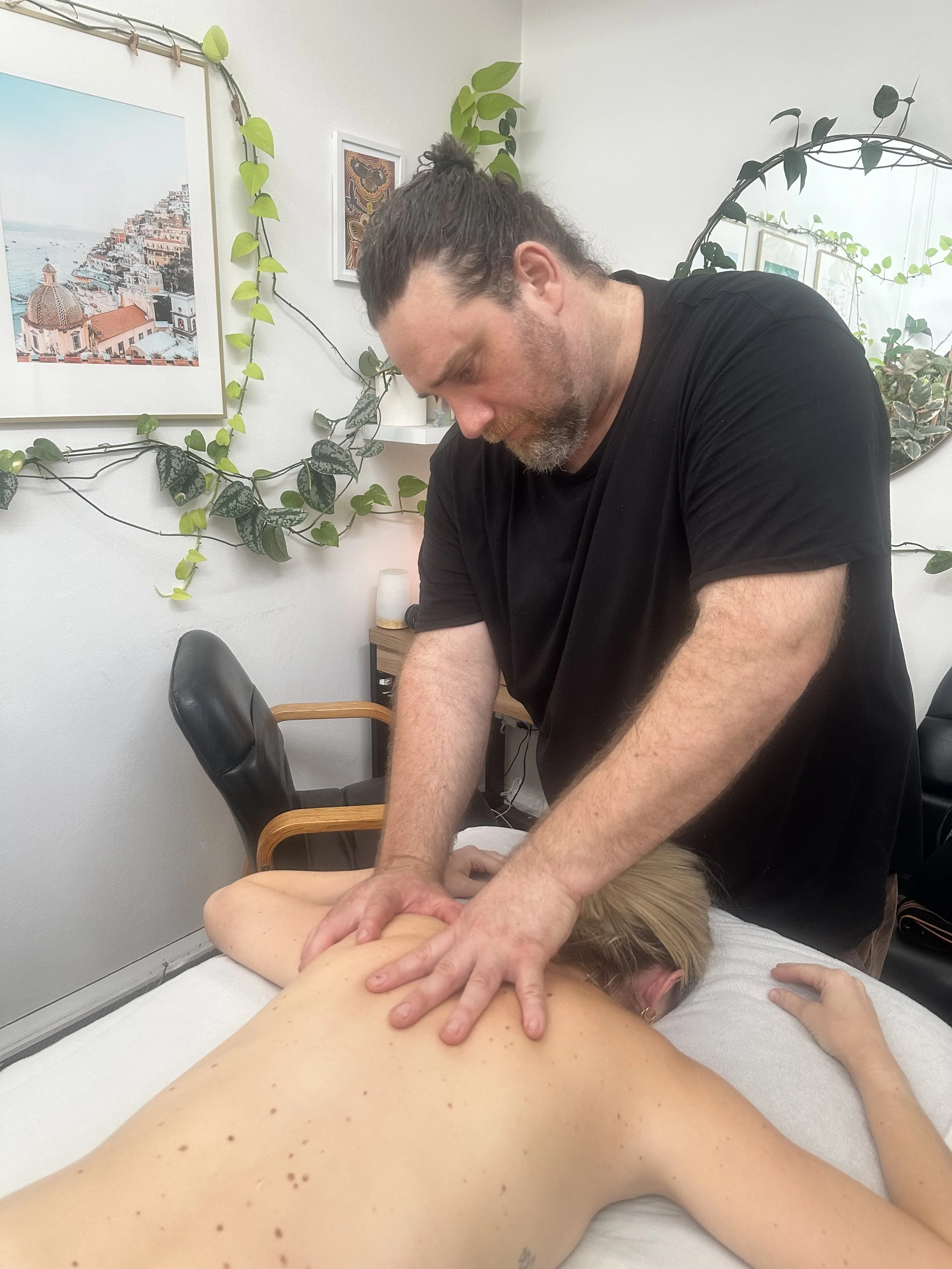
At Medicinal Collective, our practitioners offer several approaches that may be relevant to jaw tension, depending on your symptoms and individual needs.
How can we help
Deep Tissue Massage
With Helena and Stephen
Deep tissue massage uses targeted pressure and manual techniques to work with the deeper layers of soft tissue.
For neck and shoulder tension, treatment may focus on areas such as the upper trapezius, levator scapulae, rhomboids and other muscles involved in supporting the head and shoulder blades.
The aim is to help reduce muscular discomfort, improve comfort with movement and support relaxation.
The science behind the technique
Massage influences pain through several mechanisms, including stimulation of sensory nerves, changes in pain processing and short-term changes in muscular sensitivity. It can also reduce intra-muscular adhesions (knots), increase the resting length of muscles and increase blood supply.
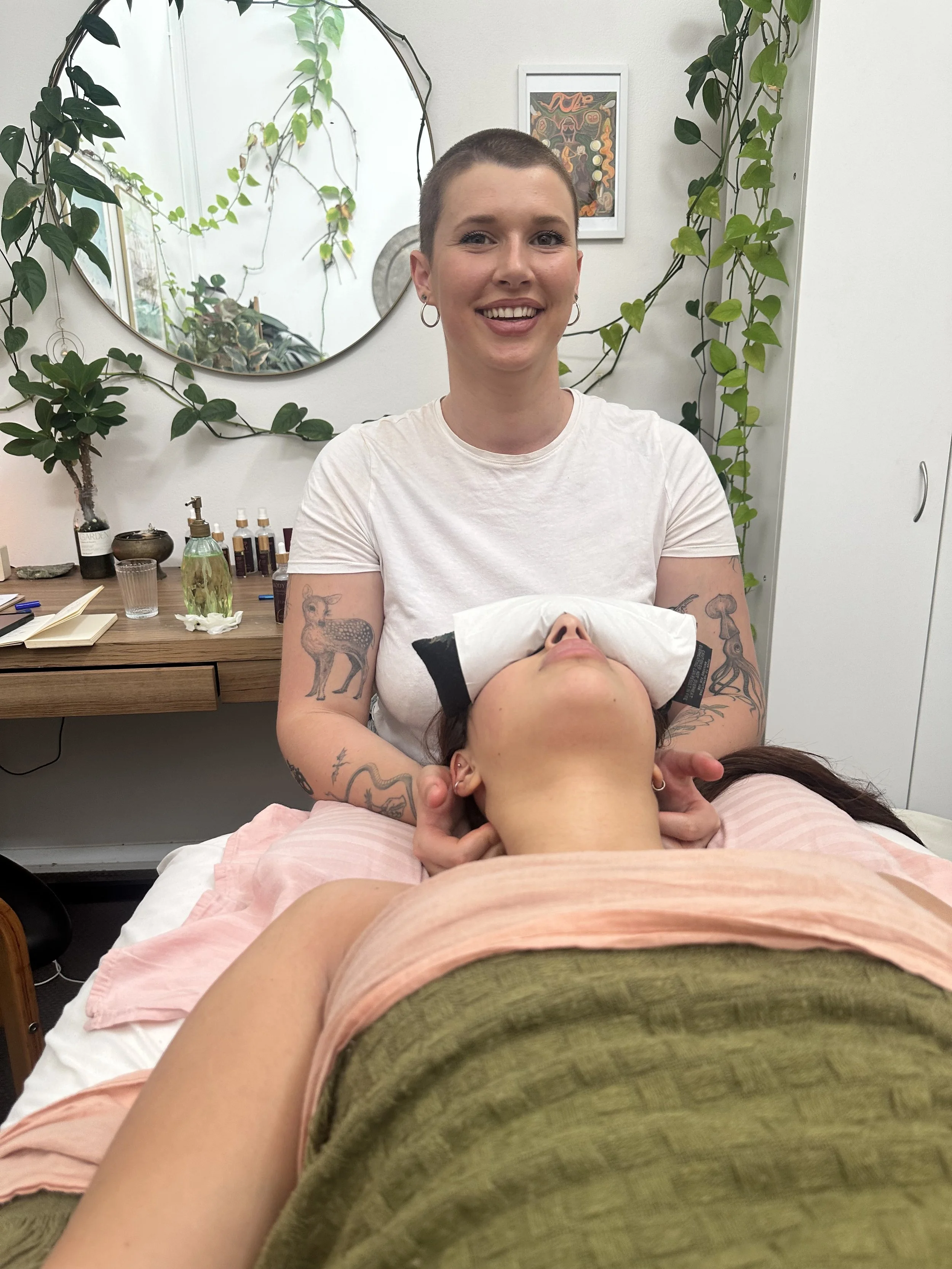
Myofascial Release
With Corina
Myofascial release is a hands-on approach that uses sustained pressure and gentle movement to work with soft tissues surrounding muscles.
For neck and shoulder tension, treatment may involve areas such as the upper trapezius, shoulder girdle and surrounding connective tissues.
The approach is intended to address discomfort and support comfortable movement in areas that feel restricted or sensitive.
The science behind the technique
Fascia is a connective tissue network that surrounds and connects muscles and other structures throughout the body.
Manual pressure can stimulate sensory receptors in the skin and soft tissues, influencing pain perception and comfort.

Chiropractic Care
With Ellie and Anton
Chiropractic care involves the assessment and treatment of musculoskeletal concerns.
For neck and shoulder tension, treatment may include an assessment of neck movement, muscular function and relevant joint mobility.
Depending on the practitioner's assessment and the individual's preferences, care may involve manual therapy, mobilisation, soft-tissue techniques, kinesiology, neuro-emotional techniques and advice about movement or exercise.
The science behind the technique
Manual therapy can help improve neck comfort and movement by influencing joint mobility, sensory input and pain processing.
The most appropriate approach depends on the individual's symptoms, health history and clinical assessment. Not every person with neck tension requires spinal manipulation.
Acupuncture
With Gavin, Lina and Shane
Acupuncture involves the insertion of fine, sterile needles into selected points on the body.
For neck and shoulder tension, a practitioner may select points around the affected muscles or elsewhere on the body, depending on the individual's symptoms and treatment approach.
Acupuncture is often used to support muscular comfort and help manage pain associated with neck tension.
The science behind the technique
Research suggests that acupuncture may influence pain processing through the nervous system, including changes in sensory signalling and the activity of endogenous pain-modulating pathways.
Clinical research has investigated acupuncture for neck pain, with evidence suggesting benefits for pain and function.
Craniosacral Therapy
With Dorine and Corina
Craniosacral therapy is a gentle, hands-on approach that uses light touch to assess and work with areas of tension and restriction in the body. During a session, the practitioner may use gentle contact around the head, neck, spine and sacrum, adapting the treatment to your comfort and needs.
For neck and shoulder tension, a session may focus on helping you settle, notice areas of holding, and experience gentle contact around the head, neck and upper back. Some people choose craniosacral therapy when they prefer a less intensive approach or find direct pressure uncomfortable. It is not a technique that forcefully stretches or “realigns” the neck.
Customised Treatment Plans
Medicinal Collective offers free customised treatment plans that match you to specific practitioners and therapies