

Jaw Tension & TMJ
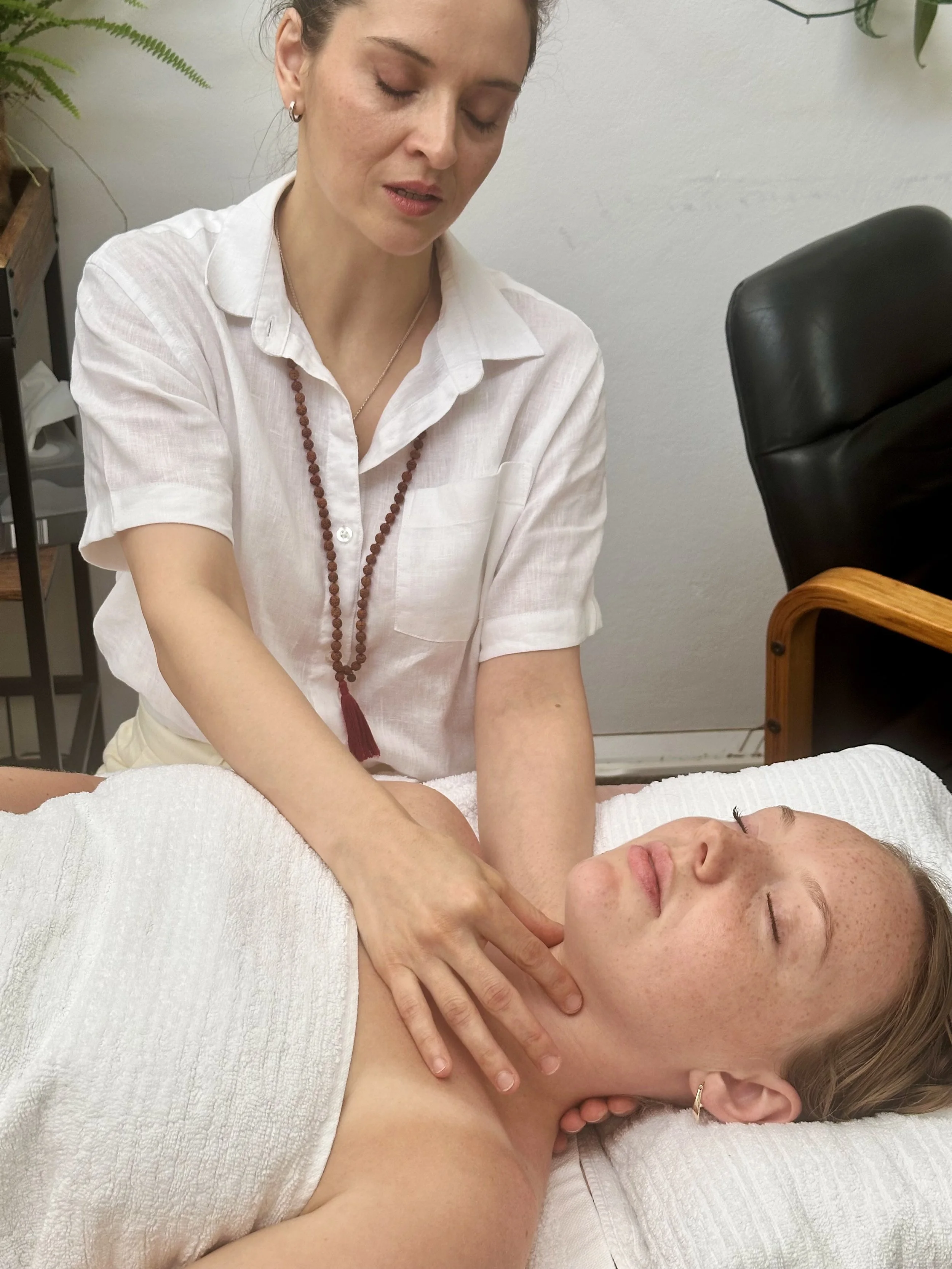
Jaw tension can affect more than just your jaw.
Persistent tightness, clenching and discomfort can contribute to facial pain, headaches and tension around the temples, neck and shoulders.

At Medicinal Collective in Bondi Junction, our collective of independent practitioners offers a range of therapeutic approaches to support people experiencing jaw tension and TMJ-related discomfort.
From specialised intraoral massage to acupuncture and holistic chiropractic, our practitioners bring different techniques and perspectives to the treatment of jaw-related concerns.

What is Jaw Tension?
Your temporomandibular joints (TMJs) connect your lower jaw to your skull, allowing you to speak, chew, yawn and move your mouth.
Temporomandibular disorders (TMD) is an umbrella term for conditions affecting the jaw joints, the muscles involved in chewing and associated structures.
Jaw tension may involve muscular tightness, tenderness or overactivity in the muscles responsible for jaw movement. Other people experience symptoms involving the joint itself, including clicking, restricted movement or pain.
Common symptoms include:
Jaw tightness or muscular discomfort
Teeth clenching or grinding
Facial tension and tenderness
Headaches around the temples
Neck and shoulder tension
Discomfort when chewing or opening the mouth
Clicking or popping sounds around the jaw joint
These symptoms can have different causes, and not every jaw complaint is muscular in origin. Understanding the nature of your symptoms helps guide an appropriate approach to treatment.
How can we help
At Medicinal Collective, our practitioners offer several approaches that may be relevant to jaw tension, depending on your symptoms and individual needs.
Buccal & Jaw Massage
With Helena and Corina
Buccal massage is a specialised form of massage that works with the muscles of the cheeks and jaw, including the masseter and buccinator muscles.
The masseter is one of the primary muscles involved in closing the jaw and chewing. The buccinator contributes to cheek tension and helps keep food positioned between the teeth during chewing.
During buccal massage, a practitioner may use gentle pressure and massage techniques externally around the jaw and face, as well as intraorally, meaning inside the mouth, where appropriate.
The aim is to address muscular tenderness and tension, support comfortable jaw movement and help reduce the sensation of tightness.
The science behind the technique
Manual therapy and massage can influence pain perception and may help improve muscular comfort and jaw function. Clinical research on manual trigger-point therapy and therapist-assisted jaw mobilisation has found benefits for some people with chronic TMD-related pain.
However, research specifically examining buccal massage as a standalone treatment is limited. Its potential benefits should be understood within the broader evidence for manual therapy rather than as a proven treatment for every type of TMJ disorder.
Acupuncture
For jaw tension, an appropriately trained practitioner may select points around the jaw and face, as well as points elsewhere on the body, depending on the person's symptoms and treatment approach.
Acupuncture is sometimes used to support muscular relaxation and manage pain associated with jaw tension.
The science behind the technique
Research suggests that acupuncture may influence pain processing through the nervous system, including the release of endogenous opioids and changes in how pain signals are processed.
Clinical research has also investigated acupuncture specifically for TMD-related pain. A systematic review and network meta-analysis published in the BMJ found that acupuncture may improve physical functioning in people with chronic TMD pain, although the certainty of evidence varies between outcomes.
Acupuncture is a complementary treatment and is not a substitute for assessment of the underlying cause of jaw symptoms.
Motor Point Acupuncture
With Gavin and Shane
Motor point acupuncture involves stimulating selected points associated with the motor nerve supply of a muscle.
For jaw tension, this may involve muscles involved in chewing and jaw movement, depending on the practitioner's assessment and treatment approach.
The aim is to influence muscle activity and potentially help reduce muscular discomfort.
The science behind the technique
Motor points are areas where motor nerves enter muscles. Stimulating these areas may influence muscle activity and sensory input.
However, the evidence for motor point acupuncture specifically for jaw tension and TMJ disorders is limited. While acupuncture more broadly has been studied for TMD-related pain, research does not yet establish that motor point acupuncture is more effective than other acupuncture techniques for jaw tension.
Holistic Intraoral Chiropractic
With Ellie and Anton
Holistic intraoral chiropractic involves a hands-on approach that may include assessment and treatment of the jaw, surrounding muscles and related musculoskeletal structures.
Depending on the practitioner and individual presentation, treatment may involve gentle intraoral techniques, external soft-tissue work and other approaches relevant to jaw movement and muscular tension.
The science behind the technique
The jaw works in coordination with the muscles and structures of the head and neck. Manual therapy and mobilisation may help improve comfort and movement in some people with musculoskeletal TMD.
Clinical guidelines support certain forms of manual therapy and mobilisation for chronic TMD-related pain. However, the evidence for intraoral chiropractic as a distinct treatment technique is limited, and its effectiveness depends on the specific approach and underlying condition.
Treatment should be gentle, appropriately assessed and adapted to the individual's symptoms and comfort.
A Personalised Approach to Jaw Tension
Jaw tension can involve different structures and contributing factors, which is why treatment should be tailored to the individual.
Our practitioners may focus on the jaw muscles, surrounding soft tissues, neck and shoulder tension, or other relevant aspects of your presentation.
Depending on your symptoms, your practitioner may also discuss simple self-management strategies such as reducing unnecessary clenching, gentle jaw movement, relaxation techniques and appropriate referral for dental or medical assessment.
When Should You Seek Further Assessment?
Jaw pain can have several causes, including dental problems, joint disorders and muscular conditions.
Seek assessment from a dentist or healthcare professional if you experience persistent or worsening jaw pain, difficulty opening your mouth, a sudden change in your bite or symptoms that interfere with eating.
If your jaw becomes locked, you experience significant swelling or you develop sudden severe pain, seek prompt medical or dental assessment.
Find Jaw Tension Support in Bondi Junction
If you're experiencing jaw tension, facial discomfort or TMJ-related symptoms, Medicinal Collective offers a range of therapeutic approaches in Bondi Junction, Sydney.
Explore our practitioners and discover which treatments may be appropriate for your individual needs.
Contact Medicinal Collective or fill out a custmomised treatment plan below for more info.
Customised Treatment Plans
Medicinal Collective offers free customised treatment plans that match you to specific practitioners and therapies