Sports Massage vs Deep Tissue Massage Bondi Junction: Which Therapy Best Supports Your Recovery and Performance?

Sports massage and deep tissue massage are distinct but complementary forms of therapeutic bodywork that target muscles and connective tissue to improve function and reduce pain. Sports massage focuses on techniques that enhance circulation, flexibility and recovery for active people, while deep tissue massage applies slow, sustained pressure to break adhesions and remodel chronically tight tissue. Understanding the mechanisms, typical aims and ideal candidates for each approach helps Bondi Junction residents choose the right therapy for a runner’s race prep, a desk worker’s chronic neck tension, or a weekend athlete’s post-event recovery. This article will map technique differences, show who benefits most, explain how each therapy supports injury recovery and pain relief, and outline why a local cooperative clinic like Medicinal Collective can be a practical option for integrated care. Read on for evidence-informed comparisons, quick-reference tables and practical recommendations for session timing, frequency and when to combine massage with chiropractic or acupuncture.
What Are the Key Differences Between Sports Massage and Deep Tissue Massage?
Sports massage is a goal-oriented therapy that uses rhythmic techniques, assisted stretching and trigger point work to prepare athletes for performance or accelerate post-event recovery. Deep tissue massage is a slower, more focused approach using sustained pressure and myofascial release to reorganise long-standing adhesions and reduce chronic nociceptive input. Both therapies improve mobility and reduce pain, but they differ in primary intent, typical pressure and session structure. The next paragraphs explore sport-specific techniques and deep tissue methods and summarise when to choose one over the other.
Sports and deep tissue techniques differ in practical application and immediate outcomes:
Sports massage emphasises circulation, dynamic stretching and pre/post-event routines to reduce DOMS and maintain ROM.
Deep tissue massage emphasises sustained, slow strokes and direct adhesion work to improve tissue glide and reduce chronic tension.
Hybrid/remedial approaches combine elements from both to address complex cases requiring both mobility and structural release.
These distinctions guide practical choices — for example, pre-event work focuses on neuromuscular activation, while deep tissue sessions prioritize structural remodelling and long-term pain relief.
How Do Sports Massage Techniques Target Athletic Recovery and Injury Prevention?
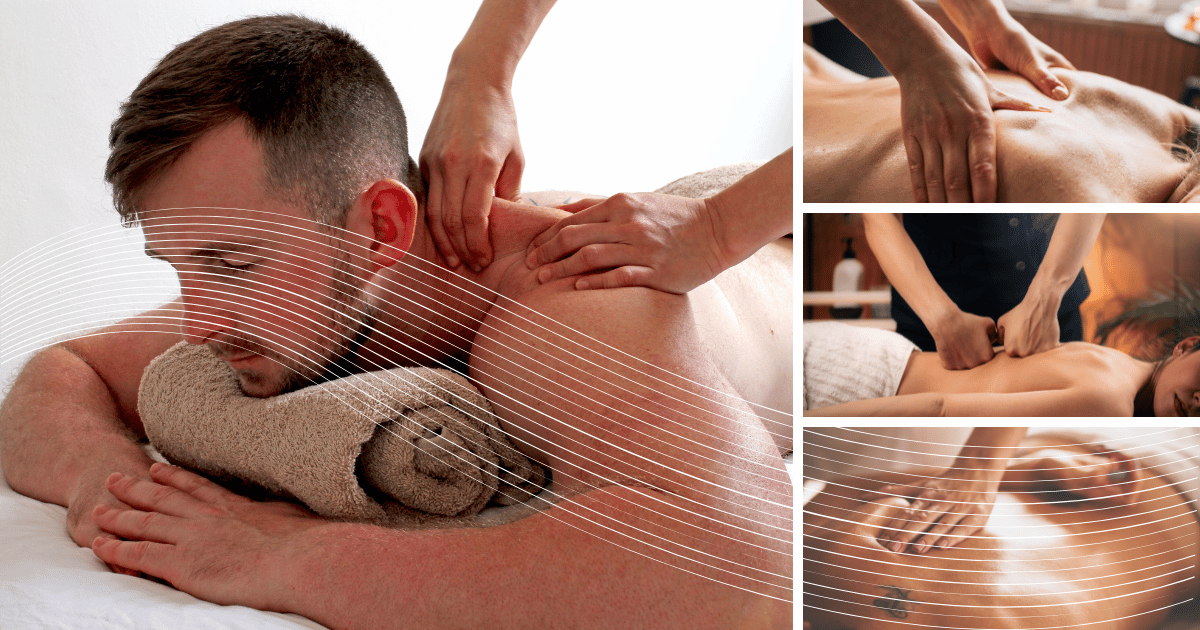
Sports massage targets recovery and injury prevention through techniques that increase blood flow, optimise muscle length-tension relationships and reduce delayed-onset muscle soreness. Practitioners use effleurage to warm tissue, petrissage to mobilise muscle, compression and assisted stretching to restore range of motion, and targeted trigger point release to deactivate hyperirritable sites. For a Bondi Junction runner, a pre-race routine emphasises activation and dynamic mobility, while a post-race session focuses on clearance of metabolic waste and gentle lengthening. Current research indicates that well-timed sports massage can reduce perceived soreness and support faster return to training when combined with appropriate load management and rehabilitation.
The Role of Sports Massage in Athlete Performance and Recovery Massage is a popular treatment choice among athletes, coaches, and sports physiotherapists. Despite its purported benefits and frequent use, evidence demonstrating its efficacy is limited. Purpose: To identify current literature relating to sports massage and its role in affecting an athlete's psychological readiness, in enhancing sports performance, in recovery from exercise and competition, and in the treatment of sports-related musculoskeletal injuries. The role of massage in sports performance and rehabilitation: current direction, J Brummitt, 2008
What Deep Tissue Massage Techniques Relieve Chronic Pain and Muscle Tension?
Deep tissue massage relieves chronic pain by applying slow, focused pressure that targets fascial restrictions and fibrotic adhesions, promoting improved tissue glide and neuromodulation of pain pathways. Techniques include sustained pressure along fascial lines, cross-fibre friction to break adhesions, and integrated myofascial release to re-establish normal sliding between tissue layers. In cases of chronic low back or neck tension, repeated sessions can support remodelling and reduced nociceptive input, especially when paired with movement retraining. This structural approach complements corrective exercises and ergonomic adjustments to produce durable improvement in posture and function.
Deep Tissue Massage: Effects on Muscle Recovery and Athletic Performance Deep tissue massage has been employed in sport to enhance performance and recovery within deeper muscle layers. This study investigates its efficacy across various sports, performance metrics, and recovery outcomes. Purpose: To assess the effect of deep tissue massage on muscle recovery and performance enhancement in different sports, team and individual disciplines, and across strength and endurance specialities. Deep Tissue Massage Therapy: Effects on Muscle Recovery and Performance in Athletes, D Arsovski, 2025
Who Benefits Most from Sports Massage and Deep Tissue Massage in Bondi Junction?
Both therapies have clear candidate profiles: active people and athletes typically benefit most from sports massage, whereas those with chronic pain, postural strain or long-standing restrictions usually benefit more from deep tissue work. Local context matters—Bondi Junction hosts runners, weekend athletes and office workers whose activity patterns create distinct demands on soft tissue. Choosing the right modality depends on goals (performance vs structural change), symptom chronicity and how massage will be integrated with rehab or other therapies. The next subsections detail athlete-specific recommendations and deep tissue applications for desk-bound clients.
Typical local use-cases illustrate who gains most from each therapy:
Runners and endurance athletes: Use sports massage for race prep and recovery.
Team-sport players and weekend warriors: Use sports massage for maintenance and injury prevention.
Desk workers and chronic pain sufferers: Use deep tissue for postural correction and long-term relief.
These use-cases highlight practical frequency options and expected outcomes for common Bondi Junction lifestyles.
Which Athletes and Active Individuals Should Choose Sports Massage?
Athletes who regularly load specific muscle groups — such as runners, cyclists and field players — gain measurable benefit from structured sports massage programmes that include pre-event activation and post-event recovery. Sessions before competition focus on neuromuscular readiness and dynamic mobility, while post-event sessions prioritise metabolic clearance and gentle lengthening to reduce DOMS. Recommended frequencies vary with training load: high-performance athletes may schedule weekly or biweekly sessions, while recreational athletes often benefit from monthly maintenance work. Sports massage should be integrated with conditioning and load management for optimal injury prevention and performance return.

How Does Deep Tissue Massage Help Chronic Pain Sufferers and Desk Workers?
Deep tissue massage helps people with chronic neck, shoulder and low-back pain by reducing fascial restrictions and improving muscle recruitment patterns related to prolonged sitting or repetitive strain. Practitioners focus on sustained releases, trigger point work and gradual remodelling, combined with education on posture and home exercises to reinforce gains. Typical treatment plans involve an initial series of sessions to address acute adhesions followed by maintenance visits and ergonomic adjustments. When paired with corrective rehabilitation and lifestyle changes, deep tissue work can significantly reduce pain and improve daily function.
Deep Tissue versus Therapeutic Massage for Chronic Low Back Pain This study compared the effectiveness of two different types of massage: therapeutic and deep tissue, for chronic low back pain. Methods: The research was conducted on 26 patients aged between 60 and 75 years, who were separated into two groups: I (n=13) and II (n=13). Group I received therapeutic massage (TM), which employs effleurage, petrissage, tapping, and friction. Group II received deep tissue massage (DTM), which utilises oblique pressure, a combination of lengthening and cross-fibre strokes, anchoring, and stretching, to free muscle from entrapment. A comparison of the effects of deep tissue massage and therapeutic massage on chronic low back pain, 2012
How Do Sports Massage and Deep Tissue Massage Support Injury Recovery and Pain Relief?
Both therapies support recovery through distinct mechanisms: sports massage improves circulation and reduces inflammation and DOMS, while deep tissue work breaks down adhesions and modifies nociceptive signalling to reduce chronic pain. In multidisciplinary recovery pathways, massage complements manual therapies and exercise-based rehab by preparing tissues for load, reducing guarding and restoring movement quality. The following EAV table maps common conditions to mechanisms and expected outcomes to help Bondi Junction clients and clinicians choose the right approach for specific injuries.
What Role Does Sports Massage Play in Injury Recovery for Bondi Junction Clients?
Sports massage plays a key role in acute and subacute recovery by promoting tissue healing, reducing swelling and maintaining range of motion so clients can re-enter rehabilitation and training sooner. Early-stage sessions focus on gentle techniques to manage pain and swelling, while later sessions add targeted mobilisation and neuromuscular techniques to restore functional movement. In Bondi Junction, sports massage is often combined with exercise prescription and occasional manual therapy to create phased return-to-play plans that balance tissue adaptation with load progression. This staged approach reduces re-injury risk and speeds return to baseline function.
How Does Deep Tissue Massage Alleviate Chronic Pain and Improve Posture?
Deep tissue massage addresses chronic pain by targeting the structural drivers of persistent tension, including fascial adhesions and altered muscle length-tension relationships, thereby lowering persistent nociceptive signals and improving proprioceptive feedback. Repeated sessions combined with mobilisation and corrective exercises help recalibrate posture and muscular coordination. For desk workers, this often results in reduced neck and shoulder pain, improved thoracic mobility and greater tolerance for upright postures. The therapeutic effect is maximised when deep tissue work is part of an integrated plan including ergonomic adjustments and movement retraining.
Why Choose Medicinal Collective for Sports and Deep Tissue Massage in Bondi Junction?
Medicinal Collective in Bondi Junction operates a cooperative model that emphasises evidence-based therapies, personalised care and integrated treatment pathways. Founded by Helena and Stephen, the clinic brings together practitioners across massage, chiropractic and acupuncture to craft tailored programs that match client goals — whether that is pre-competition preparation or long-term pain reduction. Their approach blends Eastern and Western traditions and offers a wellness hub where massage is coordinated with other modalities to accelerate rehabilitation and maintain performance. Clients seeking local, collaborative care will find practical booking options and therapist-led packages to suit athletes and chronic pain sufferers alike.
Which Therapists Specialise in Sports and Deep Tissue Massage at Medicinal Collective?
Medicinal Collective’s cooperative model highlights practitioners such as Helena and Stephen, who bring complementary strengths to sports and deep tissue work and coordinate care with other specialists. Therapists at the clinic personalise assessment and treatment plans, selecting techniques from remedial massage, myofascial release and trigger point therapy according to each client’s presentation. This practitioner-led, team-based approach streamlines referrals to chiropractic or acupuncture within the same clinic when a combined pathway will improve outcomes. For clients in Bondi Junction, that means easier access to coordinated care without managing multiple external providers.
How Does Integrating Massage with Chiropractic and Acupuncture Enhance Wellness?
Integrating massage with chiropractic and acupuncture enhances wellness by combining mechanical joint mobilisation, fascial and muscular release, and neuromodulatory input to address both structure and nervous system regulation. A typical pathway might begin with chiropractic assessment and mobilisation to restore joint mechanics, followed by remedial or deep tissue massage to address soft-tissue restrictions and acupuncture to modulate pain and support recovery. This layered strategy reduces symptom burden, improves mobility and accelerates return to activity. Clients benefit from a single, collaborative care plan designed to meet their performance and recovery goals.
Booking note: If you want to arrange an assessment or plan that combines sports or deep tissue massage with other therapies at Medicinal Collective in Bondi Junction, contact the clinic to discuss personalised options and therapist availability.
Conclusion
Choosing between sports massage and deep tissue massage can significantly enhance recovery and performance, tailored to individual needs and activity levels. Understanding the unique benefits of each therapy empowers Bondi Junction residents to make informed decisions for their health and well-being. For those seeking integrated care, consider exploring the services offered at Medicinal Collective, where expert practitioners can guide you on the best approach. Take the next step towards optimal recovery and performance by booking your session today.